


A beautifully designed wedding day can fall apart without one thing: a well-built timeline. And yet the timeline is often the part of wedding planning that couples spend the least time on — until the wedding day arrives and something goes sideways.
After more than a decade of planning and executing weddings as a Las Vegas wedding planner, we’ve built hundreds of timelines. We know what works, what doesn’t, and where couples most often leave themselves without enough buffer time. Here’s everything you need to know.
Why Your Timeline Is the Most Important Document of Your Wedding Day
Your timeline isn’t just a schedule — it’s the communication tool that coordinates every single person involved in your day. Your hair and makeup artist, your photographer, your florist, your DJ, your caterer, your venue coordinator, and your wedding planner all reference the timeline to know exactly where they need to be and when. A vague or optimistic timeline creates a ripple effect of delays that can throw off the entire day.
At The Vegas Planners, we create minute-by-minute timelines for every wedding we manage and distribute them to the full vendor team in advance. This level of detail isn’t excessive — it’s essential.

Start with the Anchor Points
Building a timeline starts with your fixed anchor points: the ceremony start time, the reception start time, and any venue-specific constraints (like a hard end time or a load-in window). Everything else gets built around those.
Once you have your anchors, work backwards from the ceremony to determine when hair and makeup needs to begin, when the first look should happen (if you’re doing one), and when everyone needs to be at the ceremony location. Then work forward from the ceremony to map out cocktail hour, grand entrance, dinner service, toasts, first dance, and other reception moments.
Hair and Makeup: Give Yourself More Time Than You Think
This is one of the most common timeline mistakes we see. Couples underestimate how long hair and makeup actually takes, especially for larger bridal parties. A general rule of thumb: budget 45 minutes to one hour per person, depending on the complexity of the look. If you have six people in your bridal party plus yourself, that’s potentially seven hours of beauty services — which may mean starting very early in the morning or bringing in additional artists.
We always contact the hair and makeup team early in the planning process to get their realistic schedule, then build the morning timeline around their numbers — not the other way around.
The First Look Decision Affects Everything
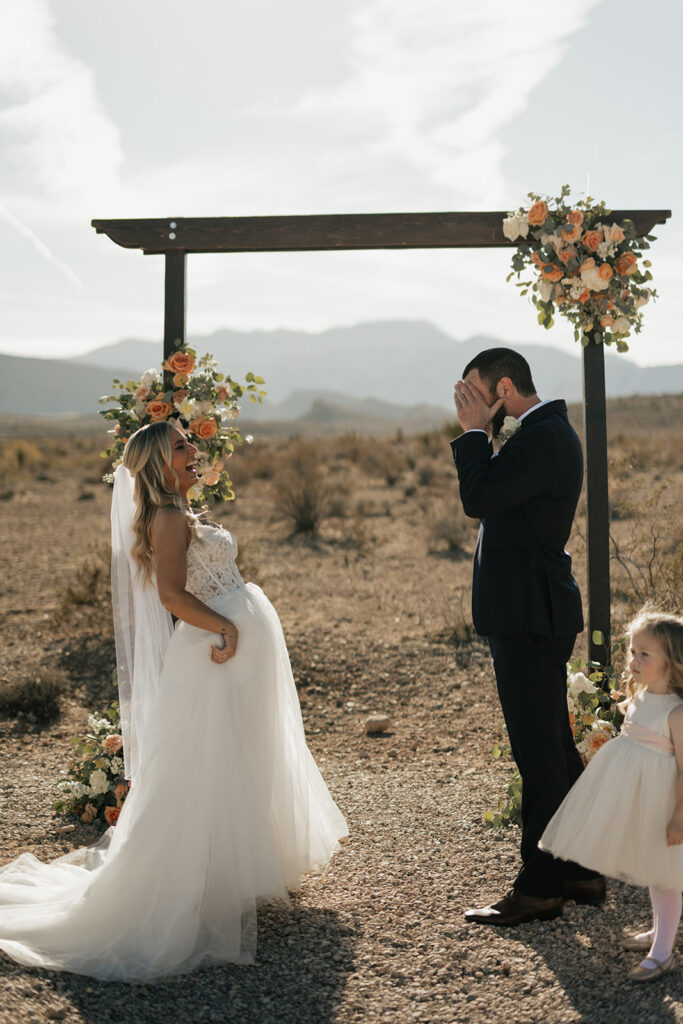
Whether or not you do a first look has a significant impact on your timeline. A first look — where you and your partner see each other before the ceremony — allows you to complete most of your couple portraits and wedding party photos before the ceremony begins. This means your cocktail hour can actually be enjoyed by you, rather than spent taking photos.
If you opt for the traditional approach and wait until after the ceremony to see each other, your photo session happens during or after cocktail hour, which compresses your timeline and often means less time for portraits. Neither approach is wrong — but you should make the decision with full awareness of how it affects the flow of your day.
Buffer Time Is Not Optional
Every great wedding day timeline has buffer time built in — intentionally. We recommend at least 15–20 minutes of buffer between major transitions (ceremony to cocktail hour, cocktail hour to reception, etc.) and extra time around portrait sessions, which almost always run longer than expected.
Couples sometimes push back on buffer time because they want to maximize every minute. Our response is always the same: buffer time either saves you when something runs late (which it will), or it becomes bonus time that you get to spend relaxed and present. Either way, it’s never wasted.
Toasts: Keep Them Short and Sweet
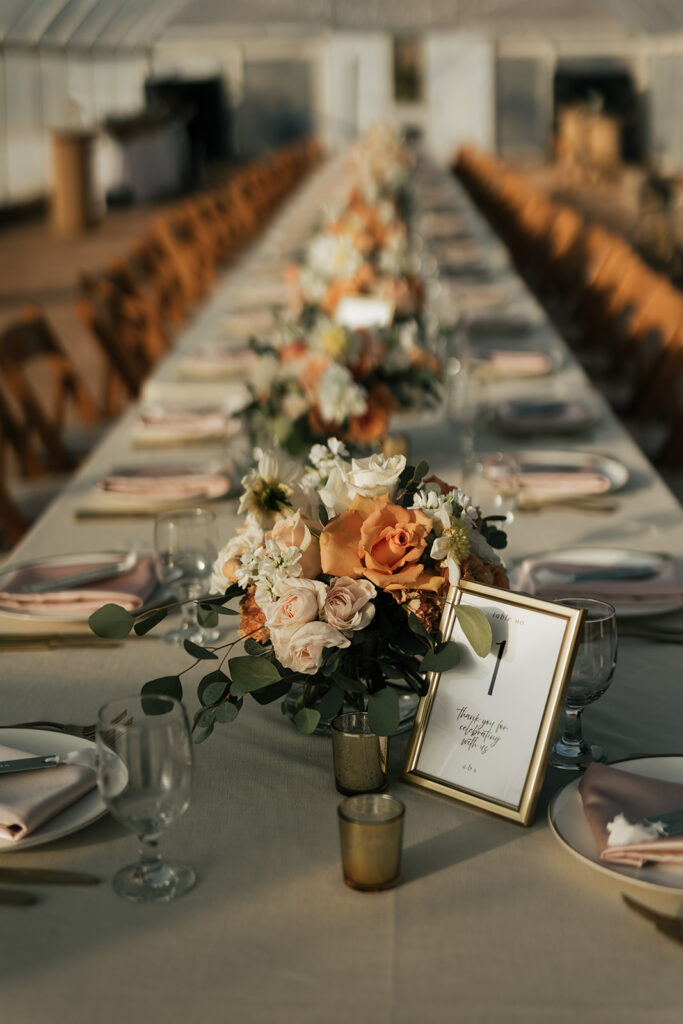
We recommend no more than three toasts at a reception, with each running approximately three minutes. The most traditional combination is the best man, the maid of honor, and the father of the bride. Open-ended toasting — where anyone can come up and speak — tends to extend dinner service significantly and can derail the rest of the evening’s timeline. Set expectations with your wedding party well in advance.
Communicate the Timeline to Everyone
Once your timeline is finalized, it needs to go to every vendor on your team — ideally one to two weeks before the wedding. Your day-of coordinator or Las Vegas wedding planner should be the point of contact for all timeline questions, so you’re not fielding calls and emails from eight different vendors in the final days before your wedding.
We also recommend giving your wedding party and immediate family a simplified version of the timeline so they know where they need to be and when — without overwhelming them with vendor logistics.
What to Do When the Day Doesn’t Go According to Plan
Here’s a secret: every wedding day has at least one moment where something doesn’t go exactly as planned. A vendor runs late. A rain shower appears out of nowhere. The cake arrives and it’s not quite right. The difference between a crisis and a minor blip is almost entirely determined by whether there’s an experienced professional managing the day.
A skilled Las Vegas wedding planner absorbs those moments, handles them quietly, and keeps the experience smooth for you and your guests. Most couples never even know something went sideways. That’s the job — and it’s one we take seriously.





leave a comment